Evolutionary Structure
through Signal Processing
On what it means to build a company that evolves.
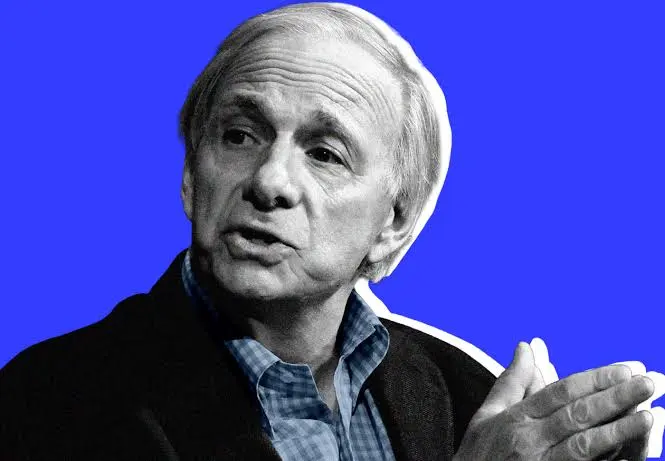
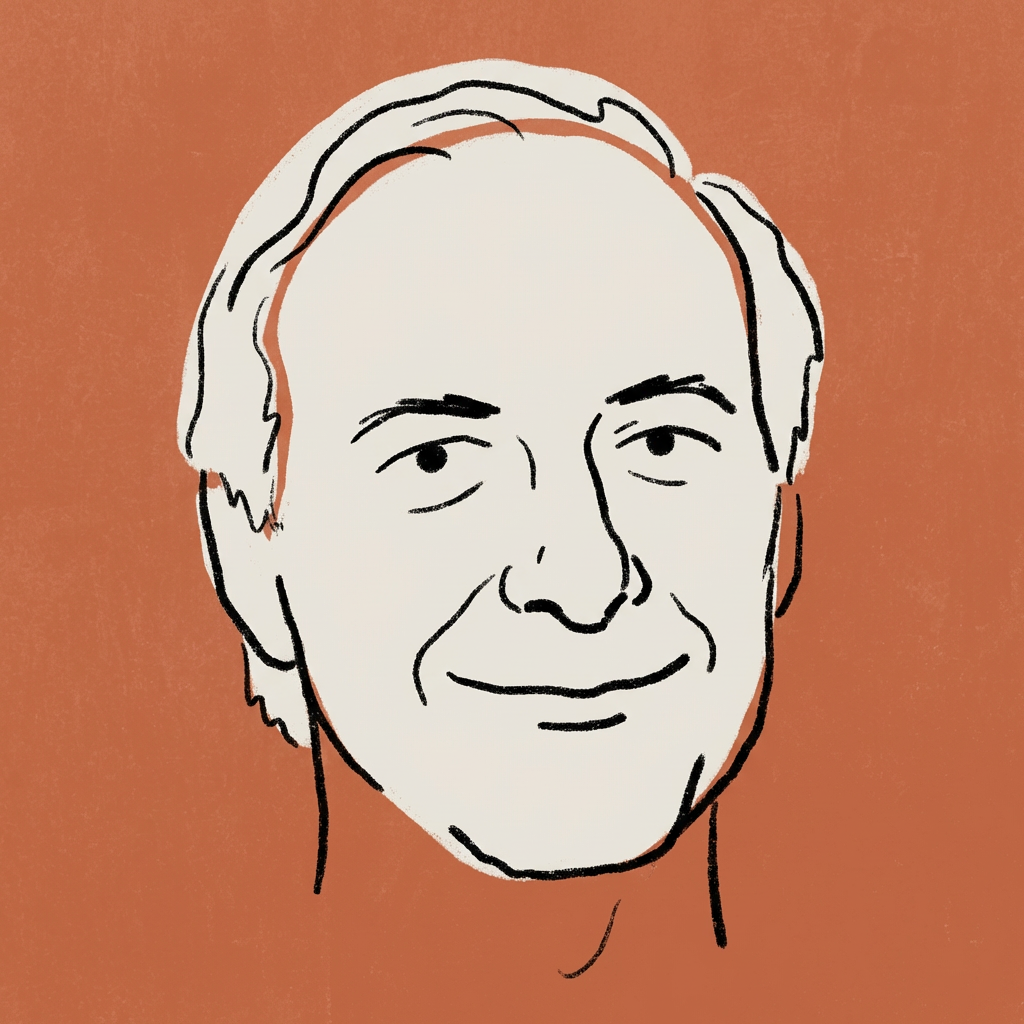
Evolution is the single greatest force in the universe; it is the only thing that is permanent. Principles · 2017
Survival isn't the absence of failure.
It's the presence of evolution.
Dalio's central claim isn't that cycles are real — empires rise and fall, businesses peak and decay, careers plateau. It's that the long arc trends upward because of evolution. Things that stop evolving die. Things that keep evolving compound.
Evolution as a loop you can draw.
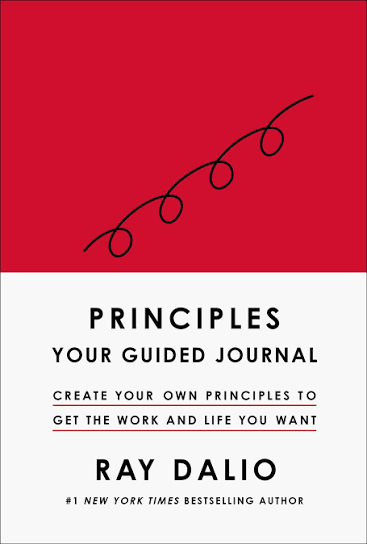
"The personal evolutionary process takes place in five distinct steps." — Ray Dalio
What is this loop actually doing?
Strip away the labels and you find an information process.
Problems are a special case of signals.
A signal is any piece of information the system receives — internal or external, wanted or unwanted, problem or opportunity. Dalio's loop runs on a particular kind of signal. The general engine runs on all of them.
The slow loop builds the model.
EXTRACT PRINCIPLES · COMPRESS · UPDATE PRIORS
Slow. Effortful. Durable. This is the loop that changes who you are. ≈ Kahneman, System 2
The fast loop spends the model.
INTERPRET · DECIDE · ACT
Fast. Reactive. Cheap. This is the loop that deploys who you are — every minute of every day. ≈ Kahneman, System 1
Notice what's missing: there is no "extract principles" step. The action loop uses the model — it doesn't update it. That's its speed, and its danger.
Two loops. One engine.
The fast loop spends the model.
The slow loop builds the model.
Neglect either and you decay.
A person holds both loops in one skull.
A company has to build them.
You can run both loops in your head without thinking about it — your fast loop fires when a user reports a bug; your slow loop runs when you reflect on the pattern weeks later. But an organization isn't one head.
The fast loop and the slow loop aren't automatic — they're systems someone has to build. A team that only has the fast loop will be reactive and slowly decay. A team that only has the slow loop will be wise and irrelevant.
Inside an org. Inside a team. Inside a mind.
Curation Labs builds minds.
Deployable. Versionable. Rentable.
Cognitive workers that compound.
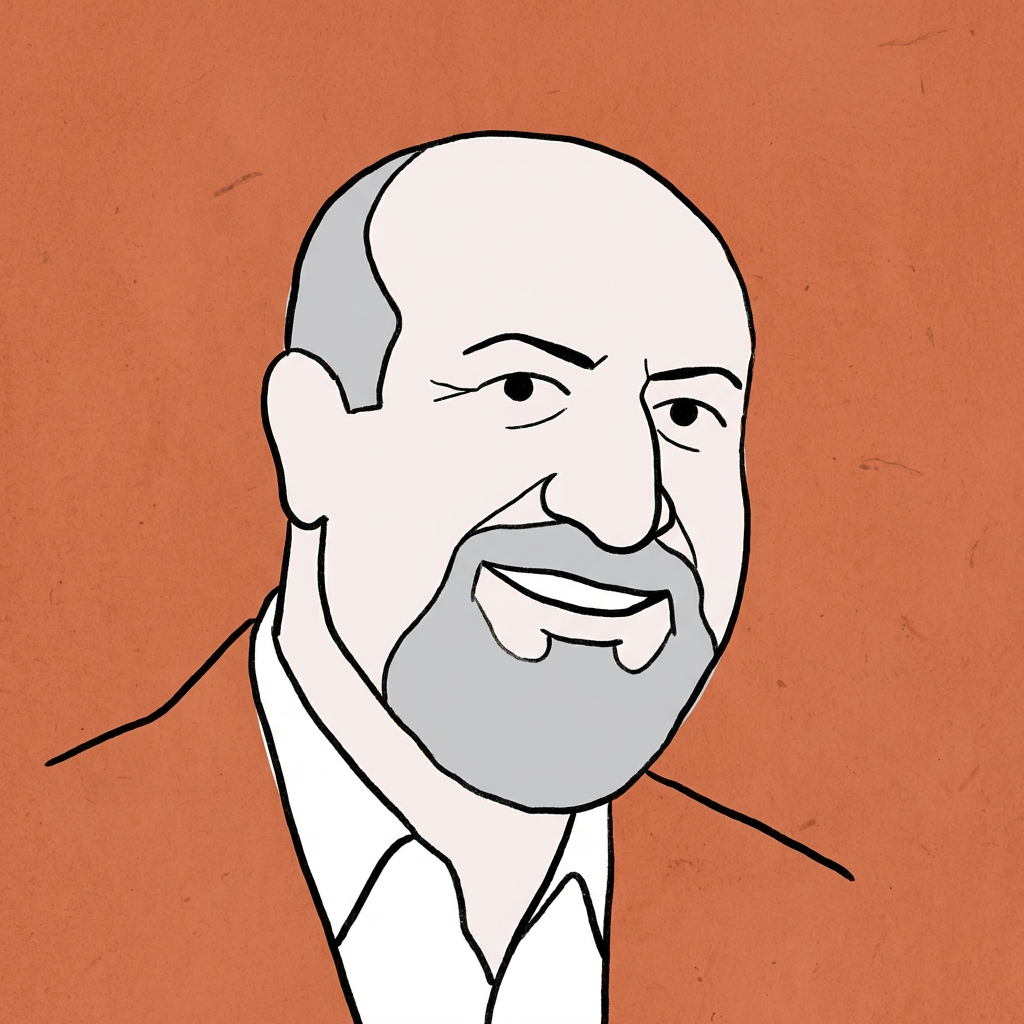
Compounding is not a feature we add later. It's the two-loop structure we build into every mind from day one.
What the two loops look like, inside a deployed mind.
ACTION LOOP / a mind on shift
- Interpret the live workload — a user signal, a workspace event, a question.
- Decide and infer within the current shift, against the current beliefs.
- Act — return the output back into Mindspace.
- This is the mind running.
LEARNING LOOP / how a mind compounds
- Darwinian Harness grades variations against the learnable signal.
- The right variations survive; their priors carry forward to the next version.
- The harness itself evolves — what we grade against changes too.
- This is the mind compounding.
Every deployment becomes ground the next iteration learns from. That's what "versionable" means when you take it seriously.
Structure isn't the org chart.
Structure is which loops we've built — and how they couple.
Curation Labs' structure is the deliberate construction of both.
Which loop are you in right now —
and which one are you starving?